
Minimalism in Islam — Sunnah-Based Simplicity
In a world overflowing with consumerism, distractions, and constant pressure to “have more,” many people feel overwhelmed and spiritually drained. Interestingly, long before minimalism became a modern trend, Islam had already established the foundation for a simple, intentional lifestyle. This approach—rooted in the teachings of the Qur’an and the example of the Prophet Muhammad ﷺ—is what we can call Sunnah-Based Simplicity.
Minimalism is not about deprivation, owning nothing, or living in an empty home. Islamic minimalism is about balance, contentment, and gratitude. When we look closely at the life of the Prophet ﷺ, we find a beautiful example of living lightly, focusing on what truly matters, and freeing the heart from unnecessary attachments. This is the essence of Sunnah-Based Simplicity.
In this blog, we will explore how Islam encourages simplicity, how the Prophet ﷺ embodied it, and how we can incorporate Sunnah-Based Simplicity into our modern lives.
The Islamic Roots of Simplicity
Islam teaches believers to live with purpose and moderation. Allah says in the Qur’an:
“And thus We have made you a just and balanced nation.” (Qur’an 2:143)
This concept—being balanced—lies at the heart of Sunnah-Based Simplicity. Muslims are not asked to abandon worldly blessings, nor to indulge excessively. Instead, Islam encourages a life where the dunya serves the akhirah, and possessions do not own the heart.
The Prophet ﷺ said:
“Richness is not having many possessions. Rather, true richness is the richness of the soul.” (Bukhari & Muslim)
This hadith captures the essence of Sunnah-Based Simplicity perfectly: true luxury is inner peace, not material accumulation.
How the Prophet Muhammad ﷺ Lived Simply
If we study the life of the Prophet ﷺ, we find countless examples of simplicity, gratitude, and humility. He slept on a simple mat, ate modest meals, and owned only a few essential belongings. Despite having access to wealth and influence, he chose to live lightly in the world.
His home was small and humble. He often repaired his own clothes, mended his sandals, and helped with household tasks. This practical lifestyle reflects Sunnah-Based Simplicity, which teaches that dignity does not come from possessions but from character.
It wasn’t just material simplicity. The Prophet ﷺ practiced emotional and spiritual simplicity as well—avoiding unnecessary arguments, choosing forgiveness, and focusing on actions that bring benefit. This mindset is an integral part of Sunnah-Based Simplicity.
Minimalism in Islam Is Not About Rejecting Blessings
Islam does not encourage extreme asceticism. Owning things, earning wealth, and enjoying halal pleasures are all allowed—even encouraged—when done responsibly. The Prophet ﷺ said:
“Indeed Allah loves to see the effect of His blessing upon His servant.”
This means dressing nicely, decorating your home, or owning good-quality items is perfectly acceptable—so long as the heart remains free from pride and attachment.
Unlike modern minimalist movements that sometimes promote detachment through deprivation, Sunnah-Based Simplicity teaches moderation: enjoy blessings without becoming enslaved by them.
The Spiritual Benefits of Sunnah-Based Simplicity
Adopting Sunnah-Based Simplicity offers profound spiritual benefits:
1. A clearer heart and mind
When we declutter our environment, we naturally declutter our thoughts. This makes it easier to focus on faith, prayer, and gratitude.
2. Reduced stress
Excess possessions often come with maintenance, cost, and emotional weight. A simpler lifestyle reduces clutter and anxiety.
3. Increased barakah
When life is free from waste and excess, Allah places more barakah (blessing) in your time, money, and relationships.
4. Greater gratitude
Owning fewer things helps you appreciate what you have, aligning with the spirit of Sunnah-Based Simplicity.
Practical Ways to Bring Sunnah-Based Simplicity Into Daily Life
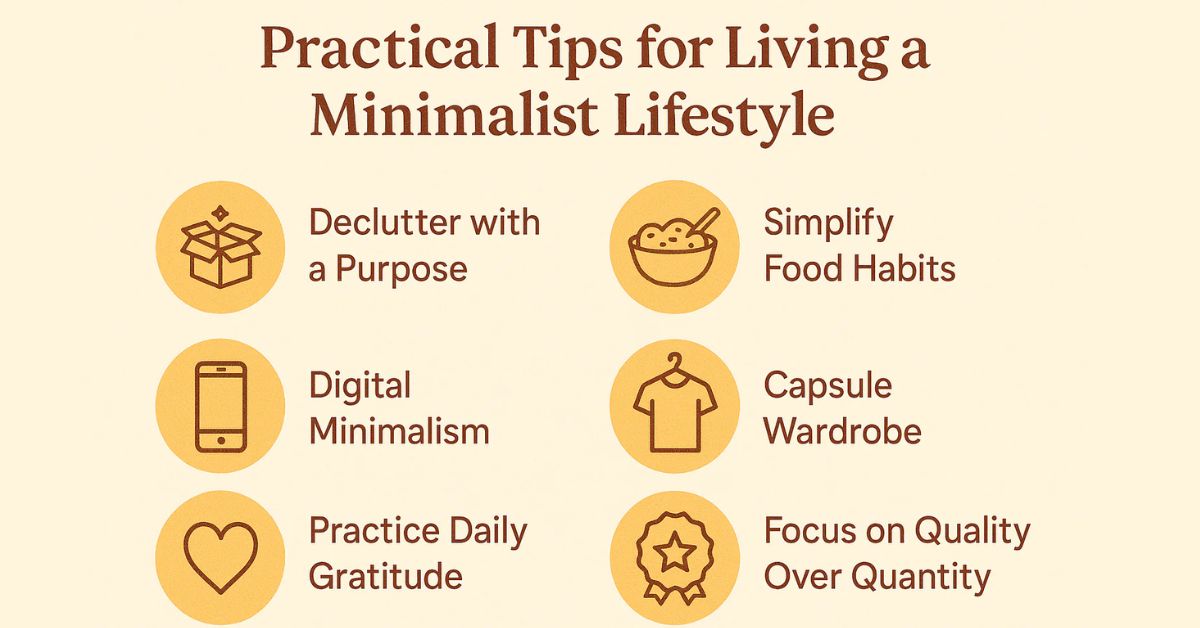
Minimalism doesn’t happen overnight—it’s a gradual shift in mindset and habits. Here are practical steps inspired by Sunnah-Based Simplicity:
1. Declutter your home with intention
Islam encourages keeping homes clean, organized, and free of excess. Begin by letting go of things you do not need or use. Give away items that others may benefit from—this turns decluttering into an act of charity.
2. Buy with purpose
Before purchasing something, ask:
-
Do I need this?
-
Will I use it?
-
Could the money be spent on something more meaningful?
This is a powerful Sunnah-aligned approach to reducing waste and promoting Sunnah-Based Simplicity.
3. Choose quality over quantity
The Prophet ﷺ preferred simple but good-quality items. Owning fewer, well-chosen belongings aligns perfectly with Sunnah-Based Simplicity.
4. Simplify your digital life
Decluttering isn’t only physical. Freeing your mind from constant notifications, excessive screen time, and digital distractions strengthens focus and iman.
5. Practice mindful gratitude
Each time you buy something or receive a blessing, pause and say Alhamdulillah. Gratitude transforms the heart and deepens your connection to Sunnah-Based Simplicity.
6. Reduce waste
Islam teaches stewardship of Earth. Wasting food, clothes, or resources goes against Sunnah-Based Simplicity. Adopt sustainable practices—reuse, recycle, and conserve.
7. Spend more on sadaqah
Redirecting spending from luxuries to charity not only purifies wealth but also aligns with the Prophet’s humanitarian spirit.
Minimalism in Worship: A Less Obvious Aspect
Minimalism is not only about physical items. It also applies to time, worship, and emotional habits.
1. Focused worship
Islam encourages acts of worship done with sincerity, not quantity alone. A few meaningful prayers are better than many rushed ones. This reflects the deeper spiritual layer of Sunnah-Based Simplicity.
2. Simplicity in relationships
Avoiding drama, gossip, and unnecessary conflicts keeps the heart clean. Kindness and forgiveness are core elements of Sunnah-Based Simplicity.
3. Simple routines
Structured daily habits—sleep early, wake early, eat modestly, remember Allah—bring stability and spiritual strength.
Minimalism and Mental Health
Many studies show that minimalism reduces anxiety and increases happiness. Islam taught these principles centuries ago. By practicing Sunnah-Based Simplicity, your mind becomes lighter, relationships become clearer, and life feels more meaningful.
A cluttered home creates a cluttered heart. A busy mind struggles to feel khushu’ in salah. Keeping life simple creates space for reflection, calmness, and connection with Allah.
Sunnah-Based Simplicity in the Modern World
Today, we face constant pressure to buy more, upgrade more, and consume endlessly. But a believer’s worth is not measured by brand names, house size, or gadgets. Our true value is measured by taqwa, good deeds, and the kind of heart we cultivate.
Practicing Sunnah-Based Simplicity doesn’t mean rejecting technology or modern life—it means using them wisely. It means choosing experiences over possessions, gratitude over greed, and purpose over distraction.
It means walking lightly on Earth, just as the Prophet ﷺ did.
Conclusion: A Life of Purpose, Not Possessions
Minimalism in Islam is more than a lifestyle trend—it’s a spiritual pathway. Sunnah-Based Simplicity teaches us to live with intention, avoid excess, and keep our hearts connected to Allah rather than worldly possessions.
When we embrace simplicity:
-
Our homes become calm spaces.
-
Our minds find clarity.
-
Our hearts grow closer to Allah.
-
Our relationships become more genuine.
-
Our lives become more meaningful.
In a world that tells us “more is better,” Islam gently reminds us that “less can bring more barakah.”
The goal is not to own nothing—the goal is to ensure nothing owns us.
Allow Sunnah-Based Simplicity to guide your choices, habits, and lifestyle. It is the timeless Islamic path to peace, balance, and spiritual richness.
More Blogs Productivity Tips from the Life of the Prophet -2025